
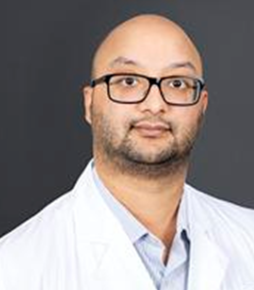
Dr. Chirag Shah
Allegheny Health Network

ASTRO 2026
One powerful portfolio. More possibilities for adaptive care.
At ASTRO 2026, Elekta introduced its next generation of adaptive radiotherapy solutions and demonstrated how we're making adaptive care more accessible, efficient and achievable.
Missed the excitement? Experience the launches, innovations and clinical insights that are moving adaptive radiotherapy forward.
Adaptive for every center. Every team. Every workflow. Every patient.
At ASTRO, Elekta unveiled its expanded adaptive portfolio, bringing together innovation across MR-guided, CT-guided and online adaptive radiotherapy.
This video is hosted by Vidyard. Please allow Vidyard to view it.
The clinical conversations continue.
Missed a session at ASTRO? Now you can watch the Elekta Clinical Theater presentations on demand.
Hear leading clinicians share real-world experiences, practical insights and new approaches to making adaptive radiotherapy part of everyday care.
Allegheny Health Network
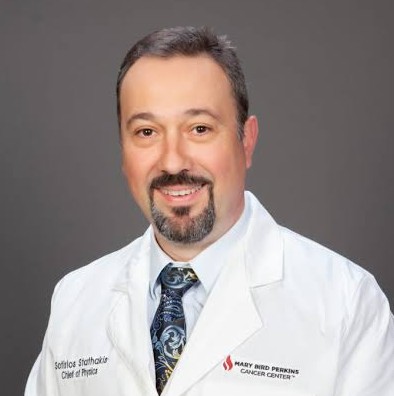
Mary Bird Perkins Cancer Center
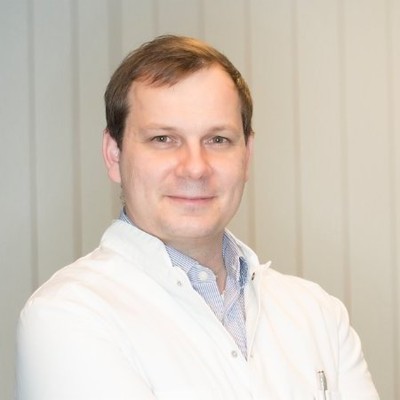
DTZ Berlin-Friedrichshain
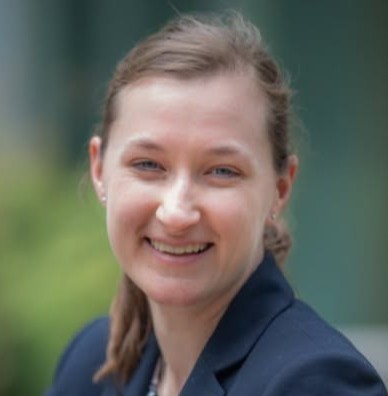
Oklahoma Cancer Specialists and Research Institute
Sunnybrook Health Sciences Centre
Allegheny Health Network
Froedtert & the Medical College of Wisconsin
Baptist Health South Florida
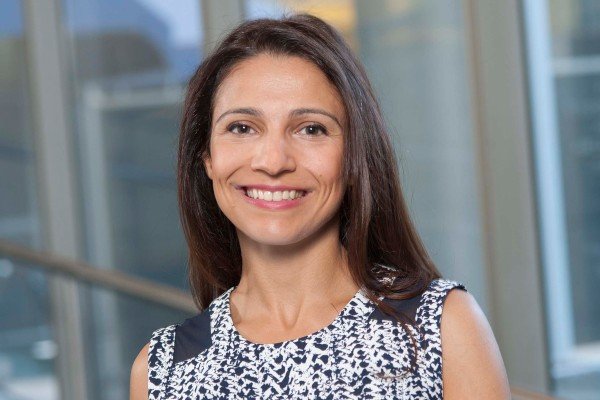
Memorial Sloan Kettering Cancer Center
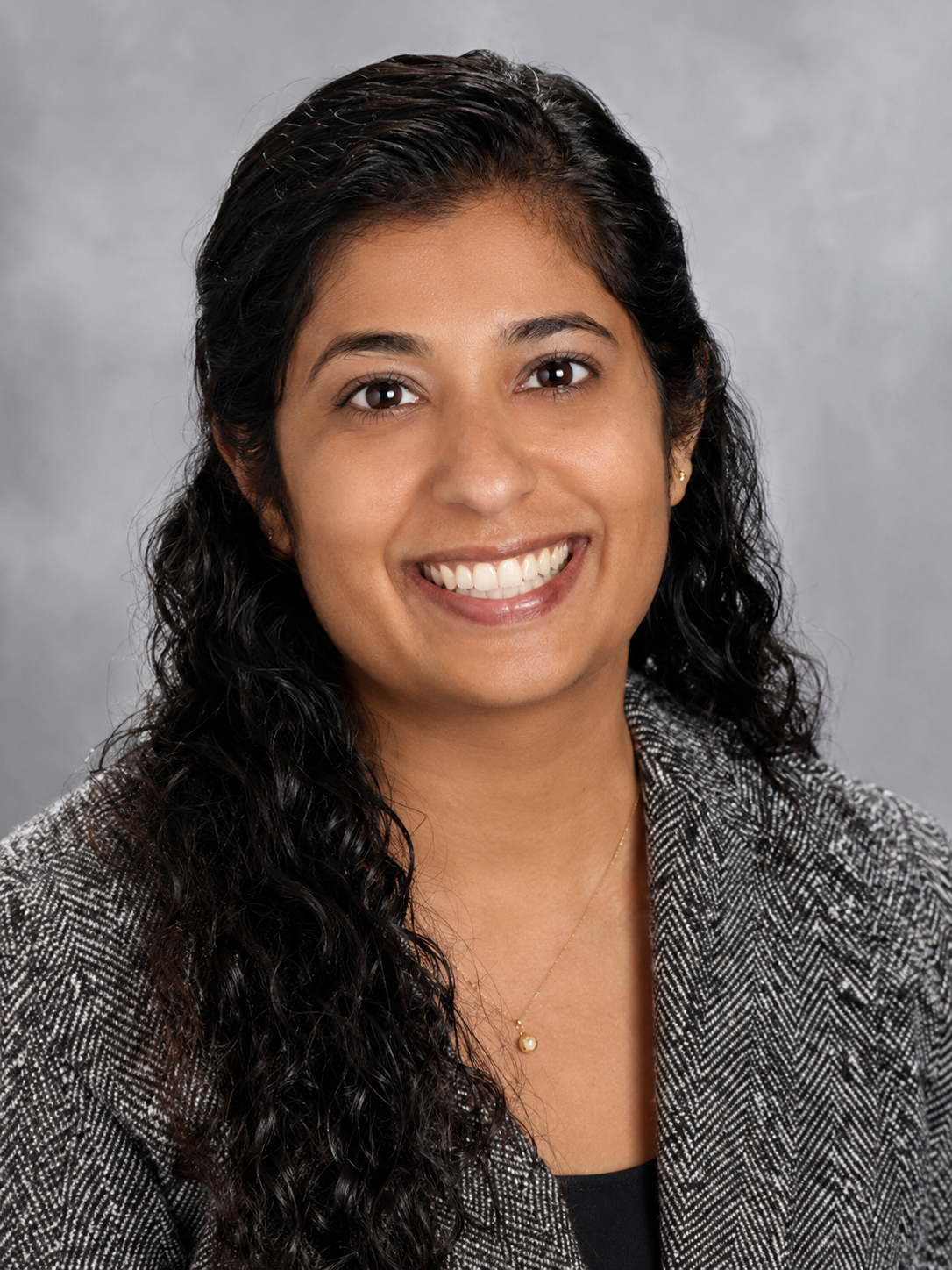
CommonSpirit Health
Kettering Health
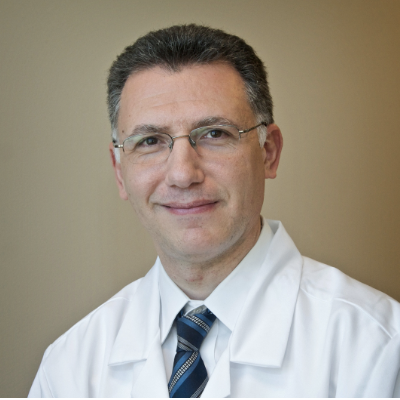
Thomas Jefferson University Hospitals
Dr. Chirag Shah is Chair of the Department of Radiation Oncology at the AHN Cancer Institute, which he joined in 2025 from Cleveland Clinic, where he directed breast radiation oncology. He is a nationally recognized breast cancer expert and a leading voice on the economics and workforce of radiation oncology, with published work on the cost-effectiveness of radiotherapy and value-based care.
As Chair of a department running a mature MR-linac adaptive program, he brings both clinical and administrative perspectives to the financial questions surrounding adaptive care. He has more than 200 publications.
Sotirios Stathakis holds the Dr. Charles M. Smith endowed Chief of Physics chair at Mary Bird Perkins Cancer Center in Baton Rouge, Louisiana, and is an adjunct professor in the Department of Physics and Astronomy at Louisiana State University. His recent work focuses on the operational side of adaptive radiotherapy: scheduling optimization to maximize throughput across body sites on Unity, developing web-based dashboards to support real-time adaptive decision-making, and dosimetric comparison of adaptive versus non-adaptive workflows. He presented his Unity throughput findings at AAPM 2026, with publication forthcoming. He is cited by more than 3,800 in the peer-reviewed literature and is board certified by the American Board of Radiology.
Dr. Matthias Lampe is a radiation oncologist and partner at DTZ Strahlentherapie in Berlin, one of Elekta's longest-standing partner sites. In February 2025, he and his team became the first in the world to treat patients with online adaptive radiotherapy on the Elekta Evo CT-Linac, delivering daily, on-couch plan adaptation guided by Iris AI-enhanced cone-beam CT and automated with Elekta ONE Online. His clinical focus spans prostate, abdominal, and pelvic cancers, where daily adaptation allows tighter margins and greater sparing of organs at risk. He is a frequent international voice on making online adaptive radiotherapy faster, more accessible, and part of routine practice.
Kristyn B. Koepp, PhD, is Chief Medical Physicist and Radiation Safety Officer at Oklahoma Cancer Specialists and Research Institute in Tulsa, Oklahoma, a physician-owned community oncology practice serving more than 10,000 new patients each year. She holds a Master of Science in Medical Physics and is board certified by the American Board of Radiology as a Therapeutic Medical Physicist. Her clinical interests span stereotactic treatments, re-irradiation, radiopharmaceuticals, HDR brachytherapy, and patient safety. She is an active contributor to the AAPM TG-100 Work Group and serves as a State Champion for the Southwest chapter of AAPM.
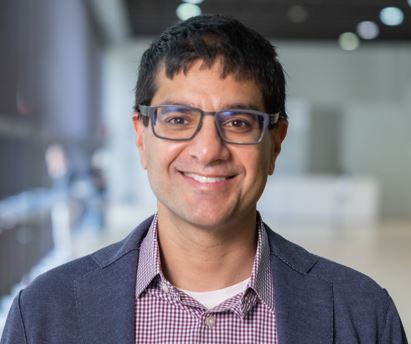
Dr. Arjun Sahgal is a global leader in high-precision stereotactic and adaptive radiotherapy for primary and metastatic brain and spine tumours, and Chief of the Department of Radiation Oncology at the University of Toronto affiliated Sunnybrook Odette Cancer Centre. He has published more than 600 peer-reviewed papers, contributed to 40 international SRS and SBRT guidelines, and holds an H-index of 86. He invented the 24 Gy in two-fraction spine SBRT regimen, shown superior to conventional palliative radiation in his landmark CCTG SC24 trial, and served as Past President of the International Stereotactic Radiosurgery Society. His current research advances MR-Linac adaptive radiotherapy for glioblastoma by de-escalating the clinical target volume through weekly adaptive Unity-delivered radiation, optimizing treatment for multiple metastases with Gamma Knife technology and he is a recipient of the King Charles III Coronation Medal.
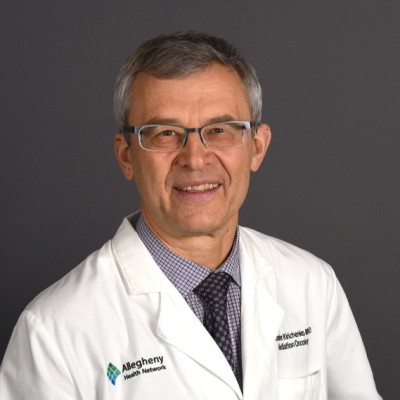
Dr. Alexander Kirichenko is Clinical Director of the Gastrointestinal and Stereotactic Body Radiotherapy programs at the AHN Cancer Institute in Pittsburgh and is internationally recognized as one of the developers of liver SBRT for patients with hepatic cirrhosis. He pioneered functional treatment planning using SPECT/CT and, more recently, SPION-enhanced MRI on the Elekta Unity MR-Linac, using Ferumoxytol to map and spare functional liver parenchyma while precisely targeting tumors. His Elekta-supported research is published in Cancers 2025 and shows that SPION-enhanced MR-guided liver SBRT is safe and effective even in cirrhotic and transplant-candidate patients. He has authored more than 100 peer-reviewed publications.
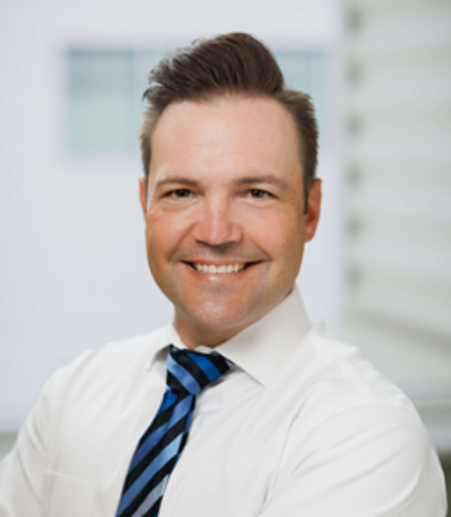
Eric Paulson, PhD, is Chief of Medical Physics and Professor of Radiation Oncology, Radiology, and Biophysics at the Medical College of Wisconsin. An internationally recognized leader in MR-guided adaptive radiotherapy, his work focuses on imaging innovations that enable online ART in routine clinical practice. He has published extensively on Iris CBCT image quality for adaptive pelvic workflows, deep learning-based MLC sequencing for online adaptive pancreatic SBRT, intrafraction motion and dose constraint monitoring for abdominal cases, and automated hallucination detection for synthetic CT in MR-only workflows. He is a co-investigator on the DEHART dose-escalated adaptive head and neck study.
Dr. Rupesh Kotecha is Chief of Radiosurgery and Director of the Central Nervous System Metastasis Program at Baptist Health Miami Cancer Institute. He leads the first-in-world ADORATION trial, combining azeliragon with stereotactic radiosurgery for brain metastases, and directs multiple active SRS trials including Phase III studies in non-small cell lung cancer brain metastases. His clinical and research focus is optimizing radiosurgical treatment outcomes and quality of life in patients with brain metastases. He completed his residency at Cleveland Clinic's Taussig Cancer Institute and trained at the New York Proton Center. He is a prolific author with international guideline contributions co-published with Arjun Sahgal.
Dr. Marsha Reyngold is an Associate Attending Radiation Oncologist at Memorial Sloan Kettering Cancer Center, with clinical expertise across gastrointestinal cancers, including pancreatic, liver, bile duct, esophageal, gastric, rectal, and anal cancers, as well as breast cancer. She is a leader in ablative, dose-escalated radiotherapy for locally advanced pancreatic cancer, and was lead author of the influential JAMA Oncology study showing that higher-dose ablative treatment, enabled by careful respiratory and gastrointestinal motion management, can improve survival in this difficult disease. Her work sits at the center of MSK's ablative pancreas program, where daily adaptation and MR guidance continue to advance dose-escalated GI radiotherapy. She earned her MD and PhD from Columbia University.
Dr. Nitika Thawani is a radiation oncologist at the Dignity Health Cancer Institute at St. Joseph's in Phoenix, Arizona. Board certified in Radiation Oncology by the ABR and in Internal Medicine by the ABIM, she has published extensively on HDR brachytherapy techniques, including custom mold applicator and hybrid approaches, and is active in clinical research.
Anthony Paravati, MD, MBA, is Executive Medical Director of the Oncology service line and Chief of Radiation Oncology at Kettering Health in Ohio. A graduate of the combined MD and MBA program at Dartmouth's Geisel School of Medicine and Tuck School of Business, he pairs clinical expertise with a business and operations perspective well suited to the financial and strategic questions surrounding adaptive care. He completed his radiation oncology residency at the University of California, San Diego, and is board certified in radiation oncology, with particular expertise in stereotactic radiosurgery and stereotactic body radiation therapy across brain, spine, and head and neck cancers. He is a recognized voice on implementing adaptive radiotherapy in the community setting.
Firas Mourtada, MSE, Ph.D., D.ABR, is the chief of clinical physics at the Helen F. Graham Cancer Center, where he oversees the delivery of radiation treatments by working side by side with a team of radiation oncologists, physicists, and dosimetrists to ensure patients receive the safest and most effective treatment for cancer. He is also responsible for seeking and integrating cutting-edge radiation oncology technologies into our health system.
Since joining ChristianaCare in 2011, Dr. Mourtada also has worked to establish initiatives for clinical trials at the Helen F. Graham Cancer Center as well as clinically oriented research in collaboration with the Center for Translational Cancer Research and within ChristianaCare's Radiation Oncology Department.

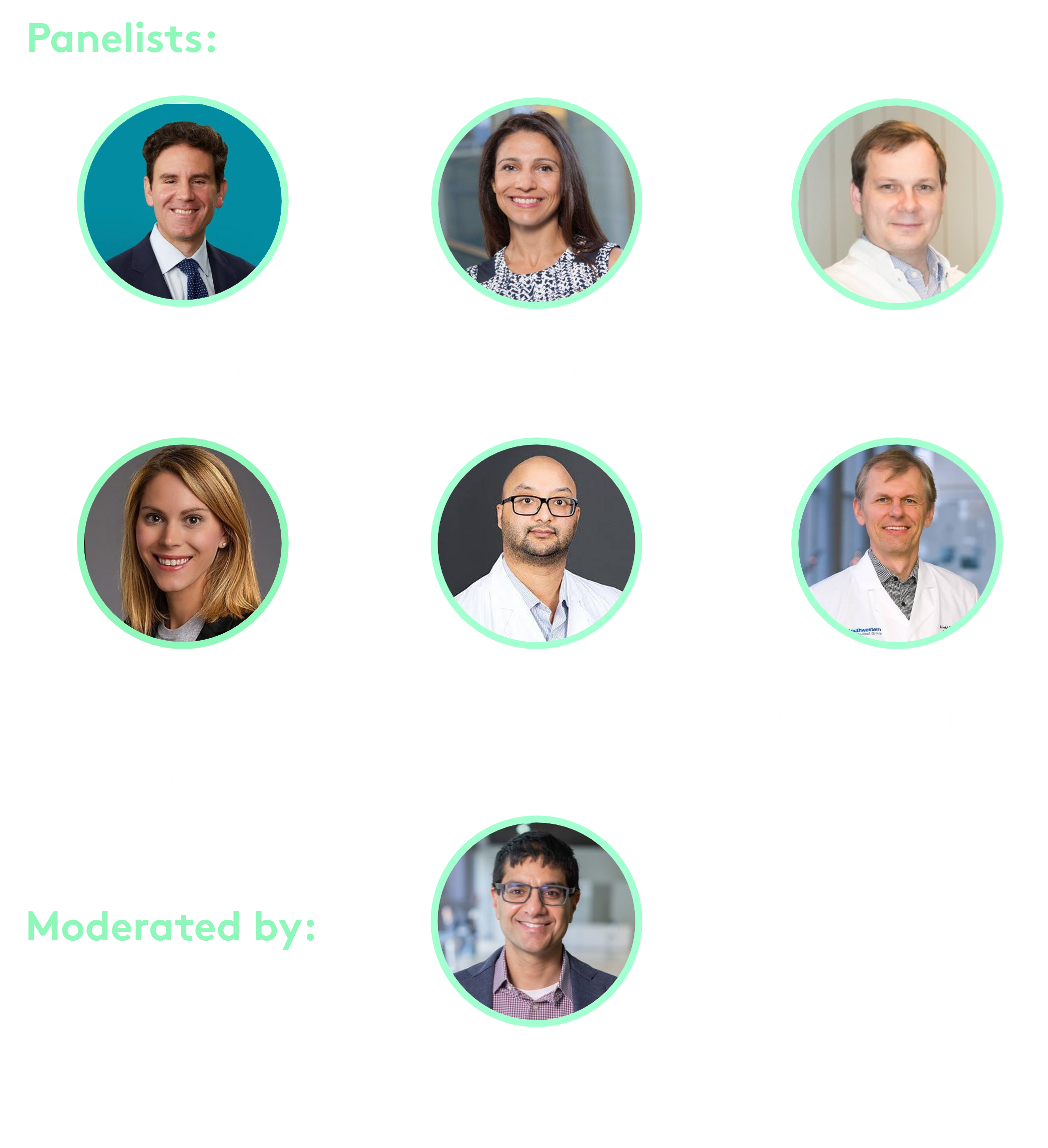
The Adaptive Exchange brought radiotherapy leaders together to explore what's possible when clinical innovation meets real-world implementation.
Relive the energy, insights and conversations shaping the future of adaptive care.
From breakthrough technology to practical clinical insights, Elekta is helping make adaptive radiotherapy routine.
Let's explore what's possible for your clinic.
Get in touch


