Radiotherapy for pancreatic cancer
Precision
That changes the odds
Online adaptive MR-guided radiotherapy achieves 67% one-year survival in pancreatic cancer, bringing new hope to one of cancer’s toughest challenges.
Precision
That changes the odds
Online adaptive MR-guided radiotherapy achieves 67% one-year survival in pancreatic cancer, bringing new hope to one of cancer’s toughest challenges.
Pancreatic cancer remains one of the most aggressive and challenging cancers, with an overall five-year survival rate of 10% globally. As incidence rises globally, reaching 18.6 cases per 100,000 people by 2050, the need for effective, personalized treatment is more urgent than ever.1
Adaptive radiotherapy enables safe dose escalation and motion management, offering hope where surgery is not possible.2
Key clinical studies demonstrate that adaptive radiotherapy delivers precise, high-dose treatment safely, achieving meaningful local control and quality of life in pancreatic cancer.
The pancreas can move up to 43 mm between treatments, making MR- and CT-guided adaptive radiotherapy essential for accurate, safe dose delivery, even in palliative or locally advanced cases.3
MR-guided adaptive radiotherapy achieves over 90% local tumor control at 1 year, helping stabilize disease and reduce symptoms in patients with unresectable pancreatic cancer.4
Five-fraction MR-guided adaptive schedules have demonstrated around 40% 2-year survival, showing potential to improve both survival and quality of life.5
| Your challenge | Adaptive helps you... |
| Pancreas shifts 4–5 cm during breathing | Manage respiratory motion and reoptimize the plans daily to stay on target. |
| GI proximity limits safe dose escalation | Spare the duodenum, stomach, and bowel with daily plan re-optimization. |
| Limited time or planning resources | Use streamlined plan-of-the-day/adaptive workflows to reduce re-planning overhead and keep throughput predictable. |
| Longer courses take time patients don't have | Use hypofractionated schedules (e.g., five sessions) when clinically appropriate to cut visits without adding risk. |
This video is hosted by Vidyard. Please allow Vidyard to view it.
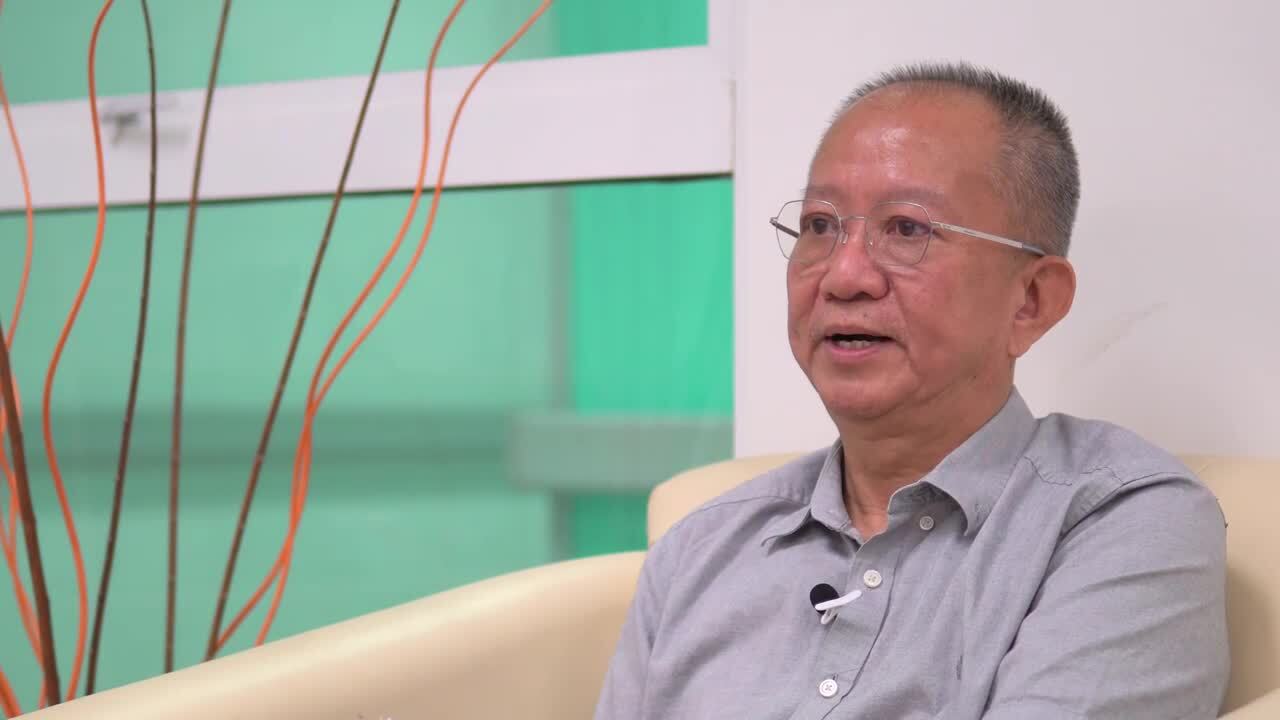
Dr. Loo Yie Jin, a Malaysian dentist, faced stage one pancreatic cancer that spread to his liver. After surgery and chemotherapy setbacks, he turned to brachytherapy, successfully treating fifteen liver tumors. Combined with immunotherapy, this led to his remarkable recovery and return to practice, inspiring him to advocate for brachytherapy.
This video is hosted by Vidyard. Please allow Vidyard to view it.
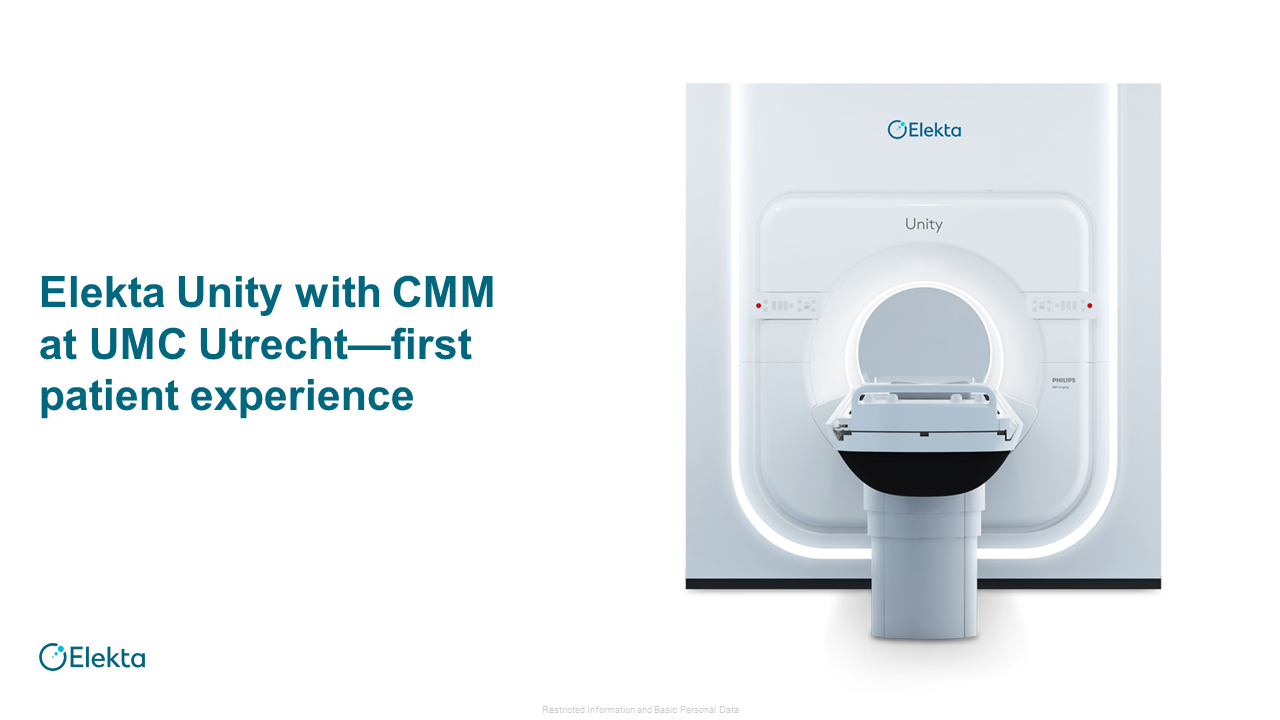
First to treat pancreatic cancer with real-time motion tracking and beam gating using Unity.
“Motion patterns can change during treatment, within 60 seconds, we realign the beam with the target.”
One-year overall survival reached 80 % after ablative radiotherapy delivered with a 1.5 T MR linac, with no grade 3+ toxicities reported
Find out moreReal-world data in pancreatic tumors shows online adaptive therapy is feasible with low high-grade toxicity, with a 1-year overall survival around 67%.
Find out moreTreating pancreatic cancer demands precision, consistency, and confidence. We don’t just bring imaging to the point of treatment, across MR- and CT-guided linacs, we also provide the training, partnership, and expertise to help you safely escalate dose, manage motion, and deliver care with confidence. Together, we can evolve pancreatic cancer treatment so every patient has access to personalized care when it matters most.

Tumors in the pancreas are surrounded by critical structures like the stomach, duodenum, and bowel, and they move with every breath. Even small shifts can compromise coverage or increase risk to healthy tissue. Adaptive radiotherapy uses daily MR or CT imaging to respond to these changes in real time, helping deliver precise dose where it’s needed while protecting the organs that matter most.
Adaptive radiotherapy is a next-generation approach that tailors each treatment to the patient’s anatomy in real-time. With daily imaging and on-table adaptation, you can visualize soft tissue, track tumor and organ motion, and adjust the plan before delivery. This level of precision allows you to confidently deliver high-dose radiotherapy near the Gastrointestinal (GI) tract, reducing risk, sparing healthy tissue, and aiming for better outcomes in even the most complex cases:
Ablative dosing (≥50 Gy) has shown the potential to improve median overall survival beyond the traditional 10–16 months.
Adaptive planning helps reduce GI toxicity by adjusting plans daily. Non-adaptive SBRT reports grade 3–4 toxicity in up to 13% of cases.
Daily plan adaptation accounts for pancreas motion and proximity to organs at risk, helping you maintain full target coverage and avoid overdosing sensitive structures.
We're asking how centers are approaching adaptive radiotherapy, where are you on the journey?
1. Why are you interested in content on adaptive radiotherapy?
2. Where are you based?
Thank you for completing the survey
If you want to learn more about adaptive radiotherapy click the button below.
Whether you’re treating inoperable tumors, borderline resectable cases, or post-operative recurrences, your patients deserve the most advanced radiotherapy available, delivered precisely, safely, and with long-term outcomes in mind.
With daily imaging, adaptive planning, and efficient workflows, you can escalate dose with confidence, maintains GI constraints while escalating dose, and treat more patients in fewer sessions—without compromising quality or throughput.
Our image-guided adaptive solutions help clinicians deliver safe, precise doses around critical organs such as the duodenum and stomach, improving local control and quality of life for pancreatic cancer patients.